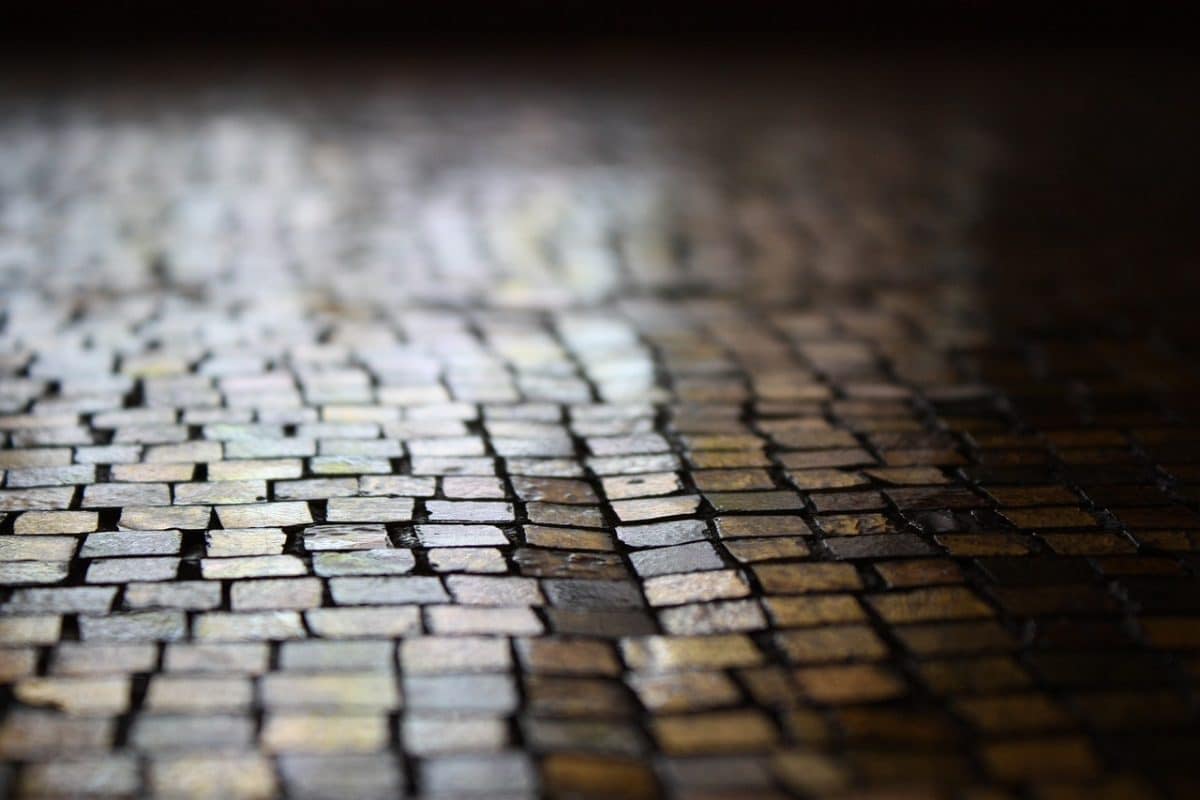
Paving stones have been beautifying our streets for centuries, combining aesthetics, durability, and tradition. Their presence goes beyond their visual appeal. They play a key role in urban planning, water management, and even in preserving our cultural heritage.
Aesthetics and Cultural Heritage
Paving stones give a timeless look to the spaces they adorn. The undeniable charm of cobblestone alleys, historic squares, and garden paths is linked to their ability to evoke bygone eras while harmoniously integrating into modern developments.
The choice of paving stones often goes beyond mere aesthetics. It is also a means of preserving and enhancing cultural heritage. By using traditional techniques and materials, we contribute to keeping ancient practices and artisanal know-how alive.
Paving stones offer a palette of varied colors, shapes, and textures. This diversity allows for the creation of unique patterns, adding an artistic and personalized touch to each landscaping project.
Durability and Resistance
Paving stones are renowned for their robustness and longevity. Unlike other surfacing materials, they withstand shocks, heavy foot traffic, and harsh weather conditions. This makes them a wise choice for high-traffic areas, such as city centers, sidewalks, and garden paths.
- Weather Resistance: Paving stones can withstand extreme climate variations, whether it be frost, heat, or humidity.
- Ease of Repair: In case of damage, it is easier to replace a damaged paving stone without having to redo the entire surface.
- Durability: Quality paving stones can last for several decades, even centuries, without losing their luster.
Water Management and Environment
Paving stones play an essential role in managing rainwater. Unlike impermeable surfaces, such as asphalt or concrete, paving stones allow for better water infiltration into the ground. This reduces the risk of flooding and recharges groundwater supplies.
- Percolation: The gaps between the paving stones promote the natural infiltration of water.
- Ecology: The use of paving stones made from natural materials, such as stone or clay, reduces environmental impact compared to synthetic coverings.
- Reduction of Heat Islands: Paving stones, especially those of light color, have heat-reflecting capabilities, helping to lower ambient temperatures.
Versatility and Adaptability
Paving stones lend themselves to a multitude of uses and contexts. Whether for streets, sidewalks, courtyards, or even terraces, they adapt to all configurations and styles of landscaping.
This versatility is enhanced by the possibility of choosing from a wide range of materials. Natural stone, concrete, clay, and even wood can be used to create paving stones, each bringing its own qualities.
Paving stones are also available in a multitude of sizes and shapes, allowing for specific needs of each project to be met. This flexibility is a major asset, making paving stones suitable for all situations.
Choosing paving stones to dress our outdoor spaces is a decision that combines aesthetics, durability, and environmental respect. They offer a multitude of practical and aesthetic advantages while contributing to the preservation of our cultural heritage. Paving stones are not just a technical choice; they also represent an aesthetic and sustainable gesture for the future of our cities and countryside.