The paving stone, this construction element so common in our streets and gardens, may seem innocuous at first glance. However, its price can vary considerably depending on various factors. Whether for a garden path, a terrace, or a paved street, understanding the elements that influence its cost is essential for any urban or landscaping project.
The Different Types of Paving Stones
The paving stone market offers a wide variety of materials and designs. These different choices directly influence the price of the paving stone. It is therefore imperative to know the available options to make an informed choice.
- Concrete Paving Stone: This type is often the most affordable. It is durable, easy to install, and available in a multitude of shapes and colors.
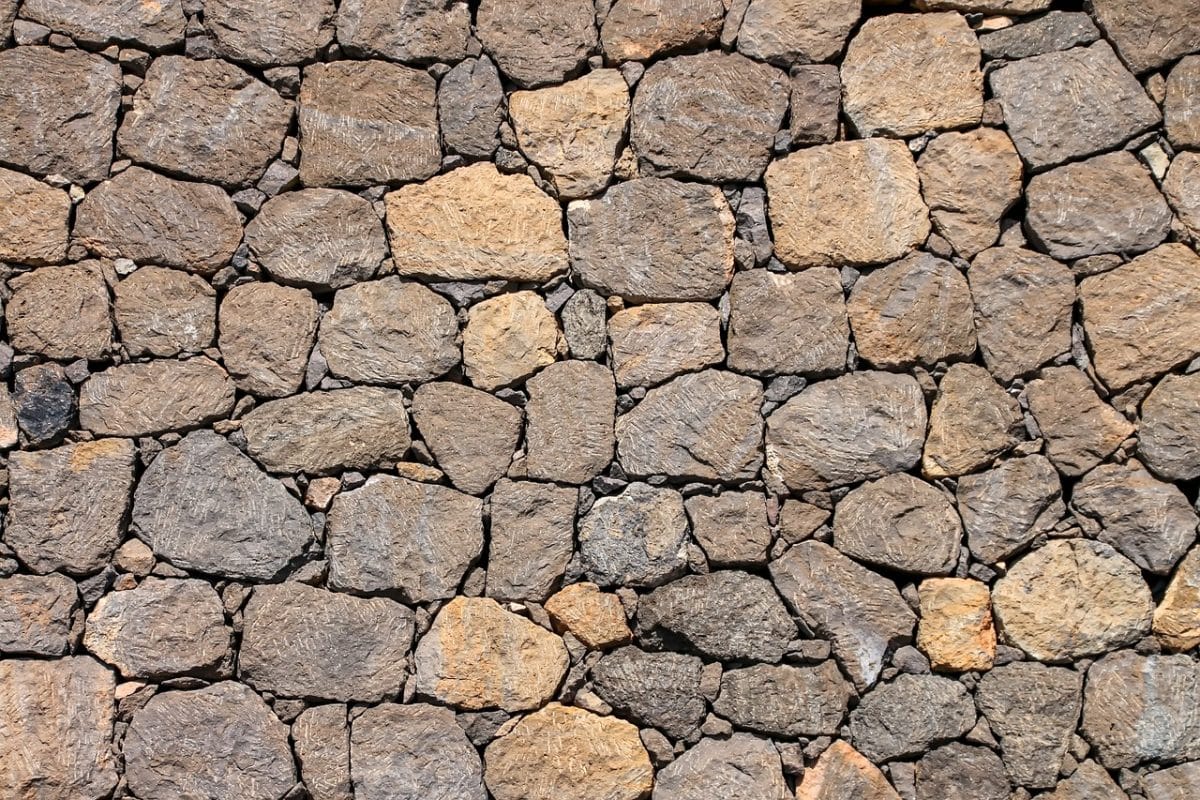
- Natural Stone Paving: More expensive than concrete, it offers unmatched aesthetics and increased longevity. Granite, limestone, and sandstone are some of the most commonly used stones.
- Terracotta Paving: This choice combines aesthetics and ecology. It is particularly appreciated for historical paving renovation projects, but its cost can be high.
- Wood Paving: Less common and often more expensive, it requires regular maintenance to maintain its appearance and durability.
Factors Influencing Price
The price of a paving stone is not limited solely to the type of material. Other factors play a crucial role in determining the final cost.
- Size and Shape: Larger paving stones or those with unique shapes can cost more due to the additional manufacturing and handling required.
- Quantity: Generally, buying in bulk allows for reduced rates. The more paving stones you purchase, the lower the unit price tends to be.
- Quality: High-quality paving stones, especially those that are weather-resistant and durable, may be more expensive, but they offer superior longevity.
- Source: Imported paving stones may have a higher cost due to shipping fees and customs duties.
Additional Costs to Consider
When establishing your budget, it is important not to focus solely on the price of the paving stones themselves. Several additional costs must also be taken into account.
- Transportation Fees: Depending on the distance between the supplier and your project site, transportation fees can significantly increase the total cost.
- Installation: Whether you choose to lay the paving stones yourself or hire a professional, labor costs are a factor to consider.
- Site Preparation: Before laying the paving stones, the site must be prepared, which may include excavation, leveling, and laying a base layer.
- Maintenance: Although paving stones are generally durable, they require regular maintenance to keep their appearance and functionality.
Estimating the Overall Price for Various Projects
To better understand how much you might spend, it is helpful to look at concrete examples of projects.
For a garden path of 20 square meters in concrete paving, the cost can range from 600 to 1,200 euros, depending on the quality and complexity of the design.
Consider a terrace of 30 square meters in natural stone. The price can range from 2,000 to 5,000 euros, including site preparation and labor.
An urban project for street paving with granite stones could amount to several tens of thousands of euros, depending on the scope of the project and the required specifications.
Finally, for a renovation project involving historical terracotta paving stones, costs can be particularly high due to conservation requirements and specialized materials.
It is clear that the price of a paving stone varies based on many elements. To make the best choice, it is recommended to thoroughly understand your needs, evaluate the available options, and consider the additional costs that may arise. By taking all these factors into account, you will be able to carry out a paving project that meets your expectations and respects your budget.