In Quimper, road signs have displayed Breton for eight years, but on the walls of town halls, some municipal decrees still oppose bilingual signage. On one hand, traditional music festivals are breaking attendance records; on the other, in the countryside, café-bookstores are closing their doors sooner than expected, even though they play a key role in the circulation of local culture.
Brittany is not just about attracting crowds: here, sustainable tourism projects are gaining ground faster than the attendance figures themselves. Yet, most travelers miss out on micro-museums, short circuit networks, or coastal refuges supported by local associations. This other face of the region, discreet yet inventive, awaits exploration.
Secrets and unsuspected riches: Brittany off the beaten path
Brittany does not reveal its mysteries at a glance. To approach it, one must leave the obvious behind, taking the time to wander among cliffs, forests, and islands off the usual radar. Look at the Crozon Peninsula: it juts out, raw, where coastal paths flirt with the moorland. Further on, the Arrée Mountains rise with their jagged silhouette in the heart of the Armorique Regional Natural Park, showcasing an interior Brittany, fiercely preserved.
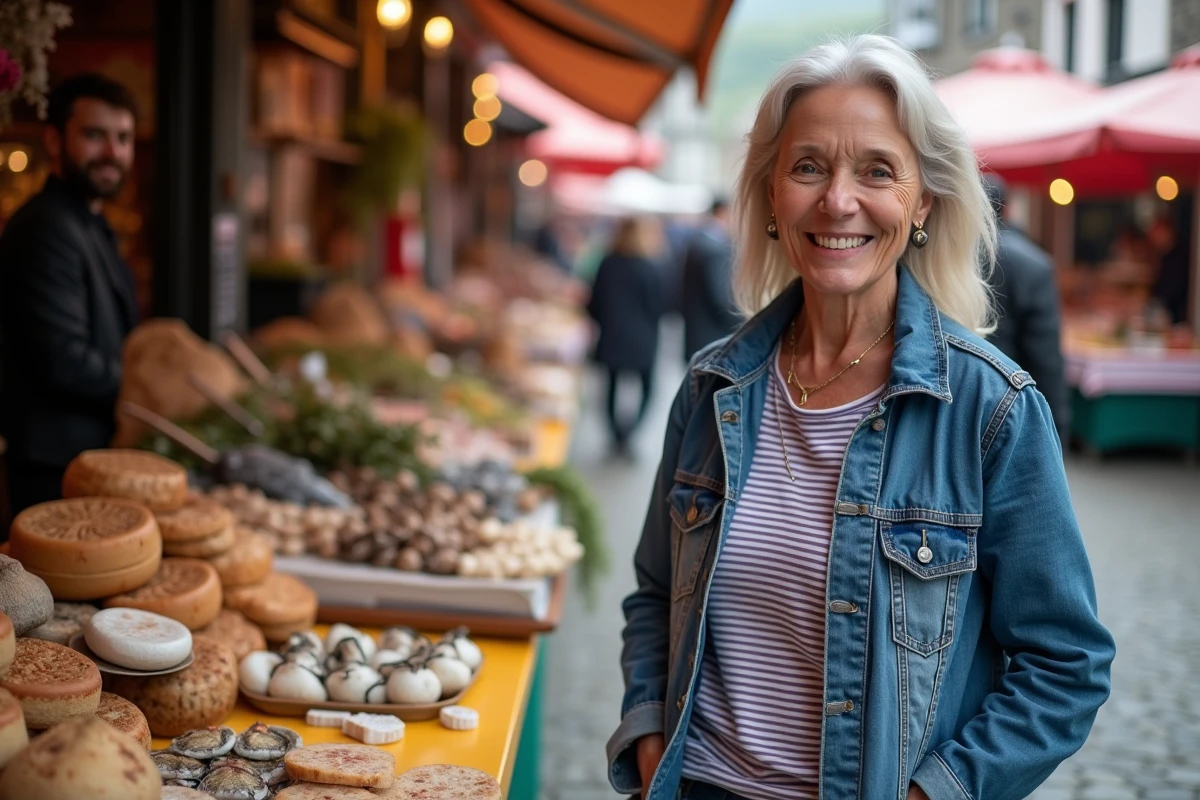
Each site chosen for its uniqueness carries a singular story, that of inhabitants determined to cultivate their identity without yielding to standardized models. In Trégor, some villages, far from major roads, live to the rhythm of discreet chapels and markets known only to the initiated. Venturing into these corners changes one’s perspective: the journey transforms into an experience, a meeting, a real sharing.
Saint-Malo, Mont-Saint-Michel, or Rennes, well represented on all maps, do not tell the whole story. Around them, the peninsula, the islets of the Gulf of Morbihan, or the coves of the Coast of Legends create a mosaic of atmospheres. To go further, take a look at the articles on Jeune Bretagne: here, no clichés, but a territory explored at human scale, where each local originality reveals unsuspected treasures. Quality of places, rootedness, diversity: Brittany reveals itself in fragments, each discovery calling for another.
The selection of itineraries, places, and initiatives, accessible on-site or online, highlights the strength of the landscapes, the density of stories, and the energy of those who live Brittany day after day.
What cultural events and local initiatives deserve your attention this year?
Breton culture is no longer just surviving: it asserts its vitality and inventiveness throughout the region. Festivals celebrating the Breton language punctuate the year, inviting everyone to reconnect with a language in full renaissance. Artistic expression takes many forms: exhibitions, workshops, residencies, both in big cities and in the most remote villages. Independent publishers based locally are reinventing the publication of travel narratives, poetry, or works dedicated to regional history.
In Rennes or Quimper, some atypical venues host cycles of conferences, screenings, and meetings with authors that reflect the diversity of Breton experiences. On the ground, passionate urban guides introduce their routes, blending historical heritage with contemporary creations, for an experience that goes off the beaten path.
Among the initiatives worth exploring this year, you will find:
- Participatory projects to preserve historical heritage: open workshops for all, restoration of chapels, highlighting oral archives.
- Various actions to transmit the Breton language: intergenerational workshops, dedicated radio shows, locally produced podcasts.
- Unique experiences around urban art: collective murals, sound walks in the city, unprecedented collaborations with local artists.
By multiplying forms of expression and creating bridges between generations, Brittany is building itself as a true cultural laboratory. Recognized figures, like Nicolas Goff, open new perspectives on the regional dynamics and on how residents appropriate their territory to write a living culture, in perpetual evolution.
Sustainable tourism in Brittany: inspirations and tips for traveling differently
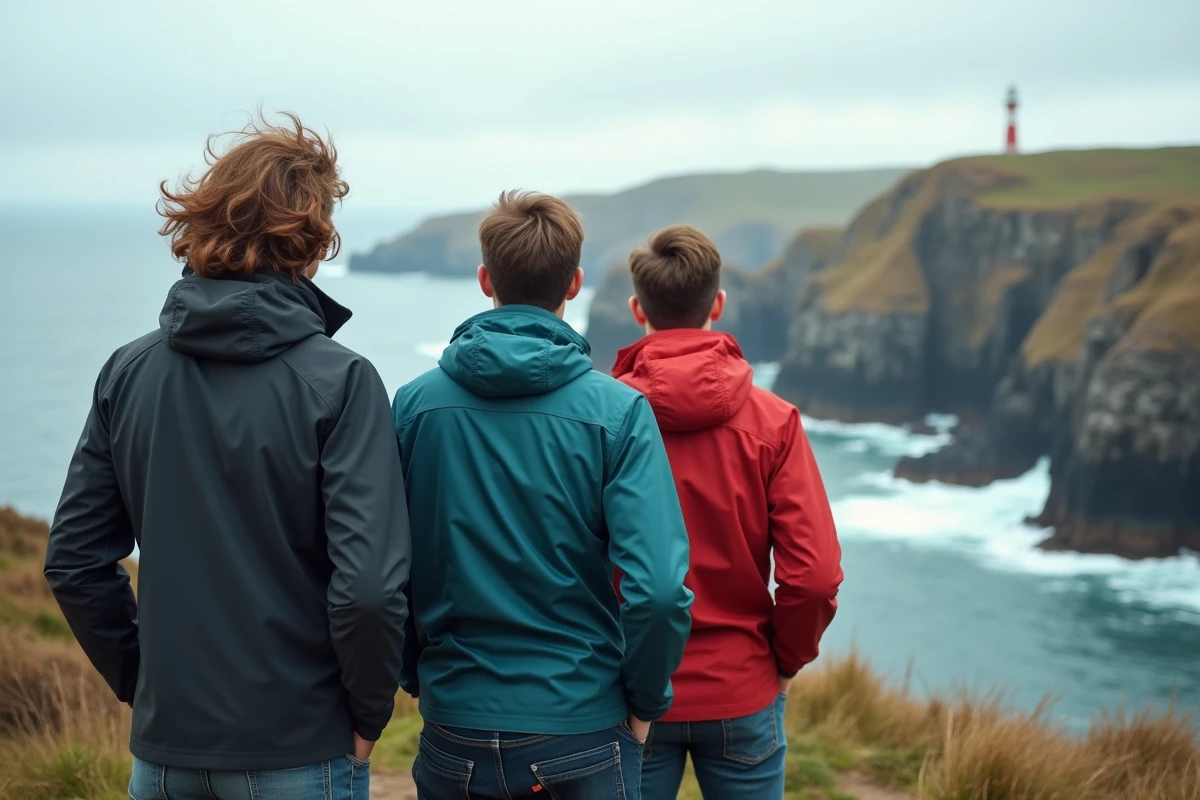
Sustainable tourism is taking root in Brittany, driven by a concern for respecting places and a desire for authentic encounters. Those who want to travel differently today favor sober itineraries, seeking true uniqueness, originality around a bend in the road or in a village. Slow travel is becoming the norm: walking, cycling, or sailing at one’s own pace to immerse oneself in the diversity of landscapes, from the Armorique Park to the shores of the Gulf of Morbihan, to the lesser-known coastal paths.
Choose accommodations that prioritize environmental respect, often driven by locals involved in community life. Here, ecotourism takes various forms: stays with locals, gîte villages, educational farms, maritime refuges. Brittany, supported by its local initiatives, encourages short circuits and highlights products from both the sea and the countryside.
For those seeking committed addresses, here are some leads to explore:
- Responsible address books: artisans, local producers, naturalist guides who share their knowledge of the territory.
- Low-impact hikes, nature walks in protected areas, to discover biodiversity without disturbing it.
- Discovery of sites chosen for the quality of their welcome and their unique atmosphere, far from standardized norms.
Wander the hollow paths, cross the forests of the center, head towards the islands that escape the crowds. Here, the journey becomes a patient exploration, conducive to encounters with those who live the territory differently. Brittany, in the diversity of its landscapes and atmospheres, invites a rethinking of the relationship between visitor and region, far from the crowds and conventional itineraries. One does not just pass through Brittany; one lives it, one detour at a time.