
Canine lipomas, these benign fatty tumors that frequently develop in our four-legged companions, raise many questions among dog owners. Although non-cancerous, they can become bothersome, affect the animal’s mobility, create discomfort, and worry the owners. In light of this phenomenon, many are seeking natural alternatives to limit the growth of these fatty masses. So, are natural solutions really effective in treating or reducing a lipoma in dogs? At the heart of this quest lies a blend of ancestral traditions, recent research, and home remedies, highlighting various natural remedies that claim to help our furry companions.
Understanding Canine Lipomas
Before venturing into natural solutions, it is essential to fully understand what a canine lipoma is. These fatty tumors, very common in dogs, are generally benign but can sometimes pose health concerns depending on their location.
A lipoma typically forms under the skin and is made up of adipose cells. Although painless, it can reach an impressive size. In certain breeds, lipomas are more frequent, with Labradors and Terriers being particularly predisposed. Contributing factors include age, diet, and sometimes even genetics. Once these masses are identified, a veterinary consultation is essential to confirm their benign nature.
Natural Solutions: An Overview
Many owners prefer gentle alternatives for their pets. Natural remedies are gaining popularity for treating lipomas in dogs.
- Fish oil: rich in omega-3, it is known for its anti-inflammatory properties. Adding this oil to your dog’s diet may help reduce inflammation around the lipoma.
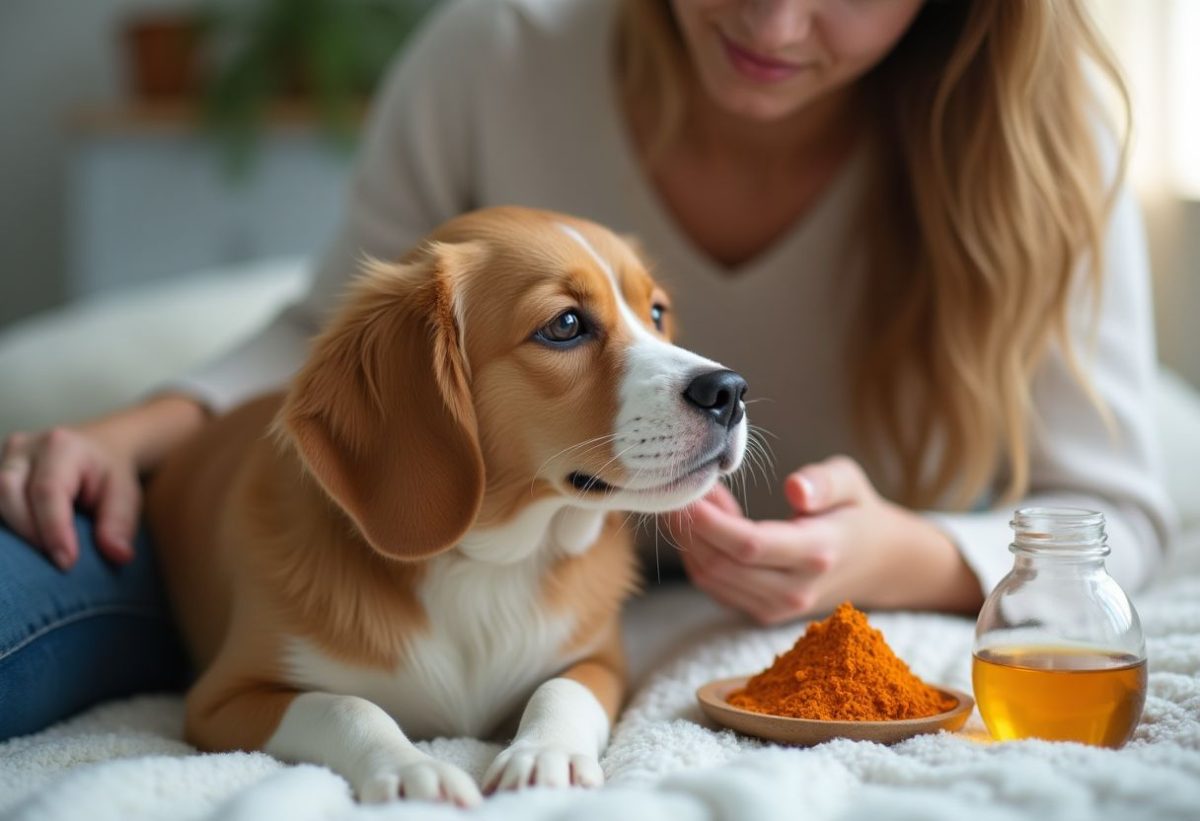
- Turmeric: this powerful natural anti-inflammatory has beneficial properties against lipomas. Incorporated into the diet, it could limit the growth of fatty masses.
- Apple cider vinegar: applied directly to the affected area, it is sometimes used to help reduce the size of the lipoma due to its acidic properties.
- Balanced diet: a healthy and balanced diet can play a crucial role in managing the animal’s weight, thus limiting the formation of new fatty masses.
Precautions and Considerations
While natural solutions are appealing, they should be approached with caution. Each dog reacts differently, and what works for one may not be suitable for another.
It is essential to consult a veterinarian before trying natural treatments to ensure they do not harm the animal’s health. Additionally, monitoring changes in the size or texture of the lipoma is vital, as this could indicate a more serious problem. In some cases, opting for surgical intervention may be preferable if the lipoma compromises the dog’s quality of life.
For owners concerned about their pet’s health, subscribing to a pet insurance can also provide peace of mind, ensuring prompt and effective care in case of lipoma progression.
Why Adopt a Holistic Approach
Adopting a holistic approach can often yield better results. It is not just about direct treatments but about a healthy and balanced lifestyle for the animal.
- Regular physical activity: maintaining regular physical activity helps control weight and consequently reduces the risk of lipoma formation.
- Sufficient hydration: ensure that your dog drinks enough water to keep its metabolism healthy.
- Veterinary follow-up: regular visits to the veterinarian allow for monitoring the evolution of lipomas and adjusting care if necessary.
While many natural solutions show promise, nothing can replace the advice of a veterinary professional. Lipomas, although often harmless, deserve special attention to ensure the well-being of your canine companion. By combining natural care with conventional medical approaches, it is possible to find a beneficial balance, allowing your dog to live healthily and comfortably. The love and attention you give to your pet remain its best allies for a long and fulfilling life.