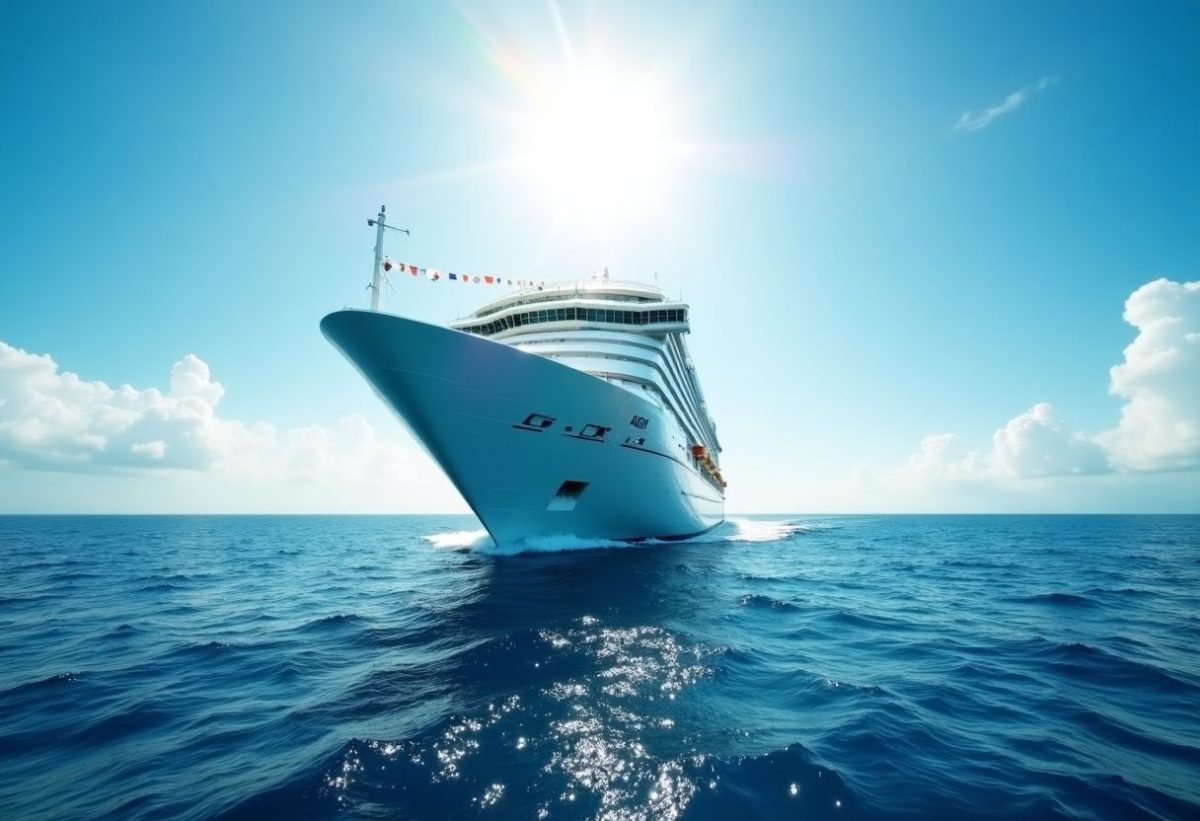
The ocean stretches as far as the eye can see, sparkling under the sun, and you are comfortably settled on the deck of a majestic cruise ship. Cruises embody the very idea of a perfect getaway, combining the luxury of a floating hotel with the charms of a maritime adventure. With a range of diverse offerings from polar expeditions to tropical getaways and cultural discoveries, these journeys increasingly attract vacationers in search of originality and comfort.
Why this enthusiasm for cruises?
The different types of cruises
Cruises come in a multitude of formats, each offering a unique experience tailored to various tastes and aspirations. A range of options that caters to all types of travelers.
Among the offerings, river cruises stand out for their intimate approach. Sailing on rivers like the Danube or the Seine, they allow for a total immersion in the local heritage. These trips are prized for their peaceful pace and rich cultural stops filled with discoveries.
There are also classic ocean cruises. These giants of the seas traverse the oceans, connecting exotic destinations often inaccessible by other means. Costa, MSC, Royal Caribbean… Companies continually compete in creativity to offer exceptional experiences on board, sometimes including water parks or Broadway-inspired shows.
- Expedition cruises: ideal for adventurers, they explore remote regions like Antarctica or the Galápagos.
- Thematic cruises: focused on specific interests, such as gastronomy or wellness.
The advantages and disadvantages of cruises
A sea trip presents multiple benefits but is not without certain drawbacks. Let’s weigh the pros and cons.
Cruises offer an attractive value-for-money ratio, combining accommodation, dining, and entertainment into a single package. All-inclusive options are particularly popular for their simplicity, avoiding unpleasant financial surprises.
Another advantage lies in the diversity of ports of call. In a single journey, it is possible to visit several countries or islands without having to worry about the logistical constraints related to transportation or accommodation. The cabins, true cocoons of comfort, provide a welcoming refuge after a day of exploration.
Conversely, the pollution generated by these sea giants has sparked criticism. Indeed, the ecological impact of cruise ships is a growing concern. Their fuel consumption, as well as the waste management on board, are issues that companies are trying to mitigate by adopting more sustainable practices.
Popular destinations
Cruisers have plenty of choices when it comes to selecting their itinerary. Some destinations shine with their popularity.
The Mediterranean remains a timeless classic. Its sunny shores and historic cities attract travelers eager for art and culture. Iconic ports such as Barcelona, Rome, or Athens promise charming stops.
- Caribbean: paradise beaches and crystal-clear waters, perfect for lounging and water sports.
- Alaska: majestic glaciers and wildlife, a breathtaking natural spectacle.
- Asia: millennia-old temples and stunning landscapes, a total change of scenery.
Tips for a successful cruise
Preparing for a cruise requires some organization to optimize the experience and avoid potential pitfalls.
It is essential to choose the right cabin. Upper decks often offer stunning views but may be more exposed to the ship’s movement. Travelers prone to seasickness may prefer cabins located in the center of the ship, where movements are dampened.
Pay attention to the excursions offered by the company, although they can be pricey. Planning your own outings can sometimes save money while discovering destinations in a more authentic way.
Finally, familiarizing yourself with the facilities on board and the activities offered ensures a pleasant stay. Whether participating in cooking workshops, relaxing in a spa, or enjoying the pools, there is something for everyone.